



A weighbridge that runs happily at a grain mandi can quietly die at a cement plant in a year. Same scale, same load cells — but the environment is brutal in ways a spec sheet doesn't capture. Fine abrasive dust, heavy loaded tippers all day every day, and a sprawling site full of electrical noise and long cable runs.
If you're specifying a scale for cement, clinker, aggregate or steel, the trick is to design for the worst day, not the average one. Here's what actually matters.
Why a cement plant is different
Three forces gang up on a cement-plant weighbridge. Dust is abrasive and gets into every seam and connector. Load is heavy and constant — fully laden tippers, all shift, with none of the gentle gaps a smaller site gets. And the site itself is large and electrically busy, with motors, VFDs and long cable runs that pick up noise and surge. A scale specified for a clean, light-duty yard is simply the wrong tool here.
Designing against dust
Cement dust is the silent killer. It's fine enough to creep into a poorly sealed junction box and abrasive enough to wear at moving parts and connectors. Two decisions matter most:
- Fully sealed, potted junction boxes with a high ingress-protection rating — not a box with a gasket and good intentions. This is the single most important choice for longevity.
- Indicator and display housed away from the dust source where possible, in a sealed cabin or enclosure, with dust-resistant membrane keypads rather than exposed switches.
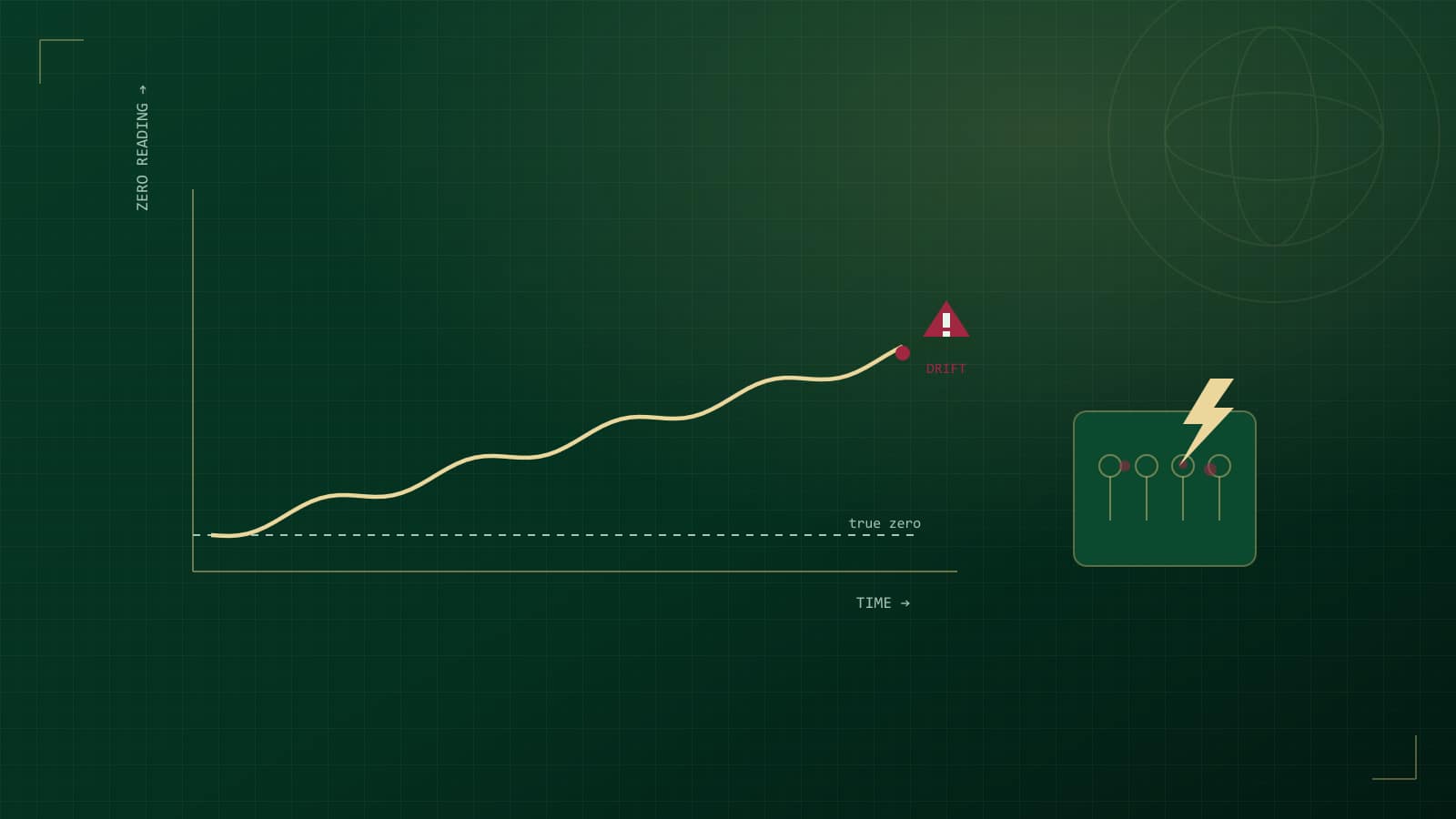
Get the sealing right and you remove the leading cause of the drift that plagues dusty sites.
Building for the axle loads
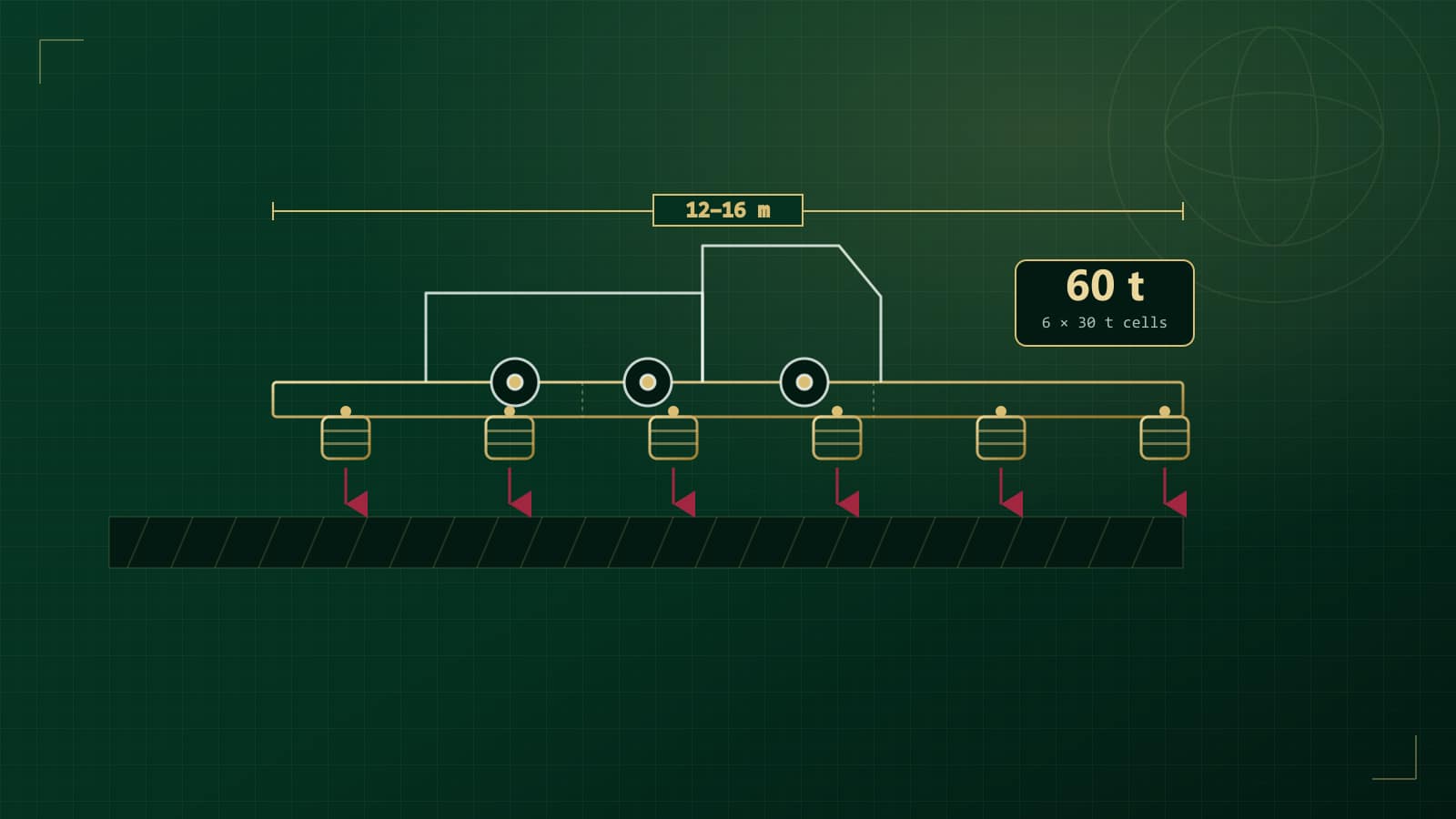
A cement plant runs heavy, and it runs heavy continuously. That argues for two things. First, generous load-cell headroom — don't size to the edge; the constant pounding of fully loaded axles wants margin, the way we describe in our cell-sizing guide. Second, a robust deck and foundation matched to the real traffic, because a deck that flexes under continuous heavy load will never hold calibration no matter how good the cells are.
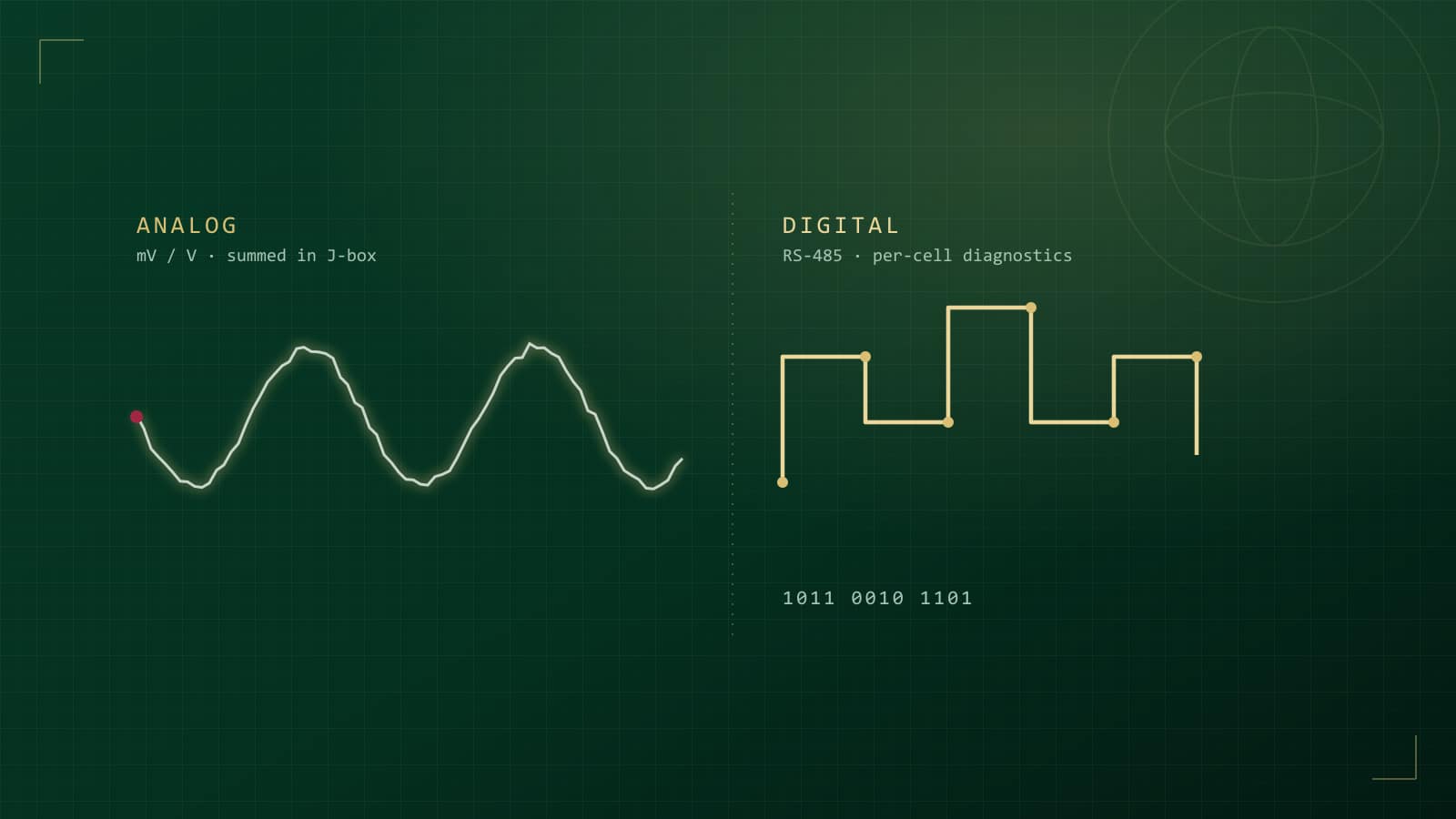
This is also a site where digital cells earn their premium: on a long industrial deck, the ability to pinpoint a failing cell in minutes rather than idling the gate for half a shift is real money.
Cable, surge and the long game
Across a big plant, the cable run from deck to indicator is long and exposed. Spec armored cable to survive the physical environment, route it away from heavy power cabling to dodge electrical noise, and fit proper earthing and surge protection — plants draw lightning and switch big inductive loads, and both will quietly degrade unprotected electronics over time. Decide all of this at the design stage; retrofitting cable across a live plant is expensive and disruptive.
The configuration checklist
Bring these to the table and the quote will reflect a scale that survives, not just one that's cheap on day one:
| Junction box | Fully sealed & potted, high IP rating |
| Load cells | Generous headroom; digital on long decks |
| Deck & foundation | Matched to continuous heavy axle loads |
| Cabling | Armored, routed clear of power lines |
| Protection | Site earthing + surge protection |
| Indicator siting | Sealed cabin, dust-resistant keypad |
We've put weighbridges into cement, clinker and steel sites across the region and learned most of this the hard way so you don't have to. Tell us about your site — traffic, layout and the dust — and we'll spec a scale built for your worst day, not a brochure's best one.