


Someone rings us, says they need a 60-tonne weighbridge, and asks how many load cells to order. It sounds like a simple question. It is — once you know that the answer almost never depends on the number they just said out loud.
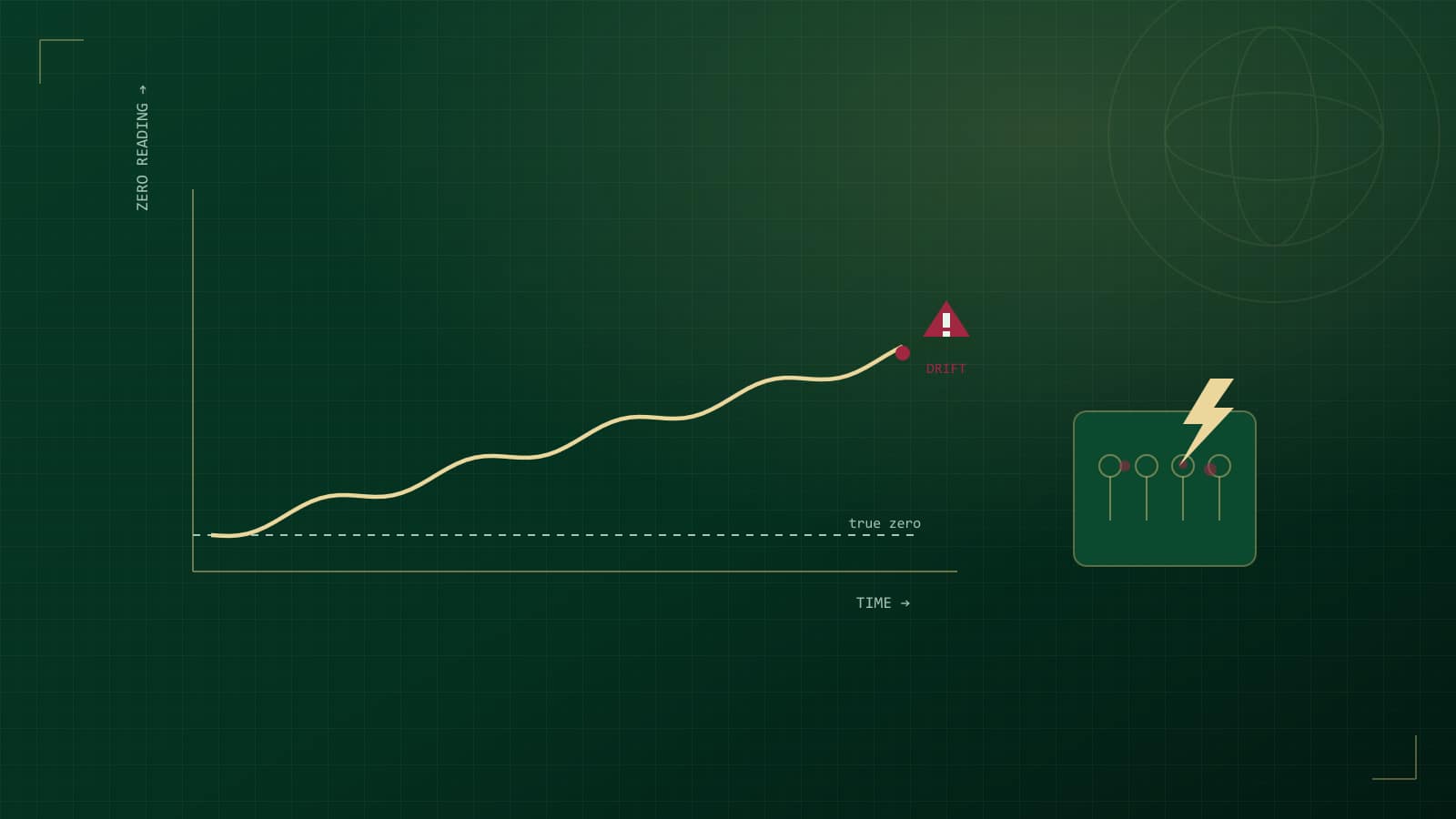
Get this wrong and you won't find out for six months. The scale will pass its first calibration, run fine through the monsoon, and then one morning it just won't hold zero. By then the foundation is poured and the cells are grouted in. So here is the short version we wish every buyer had before they floated a tender — built from three decades of installing weighbridge electronics across Rajasthan and beyond.
1. How many cells? Look at the platform, not the tonnage
The cell count is set by the length and construction of the platform — because the job of the cells is to carry the deck evenly and keep every corner steady while a truck rolls across it. A short deck needs four support points. A long one needs more, or it flexes and the readings wander.
- A single-module 6–9 m deck sits on 4 cells — one at each corner.
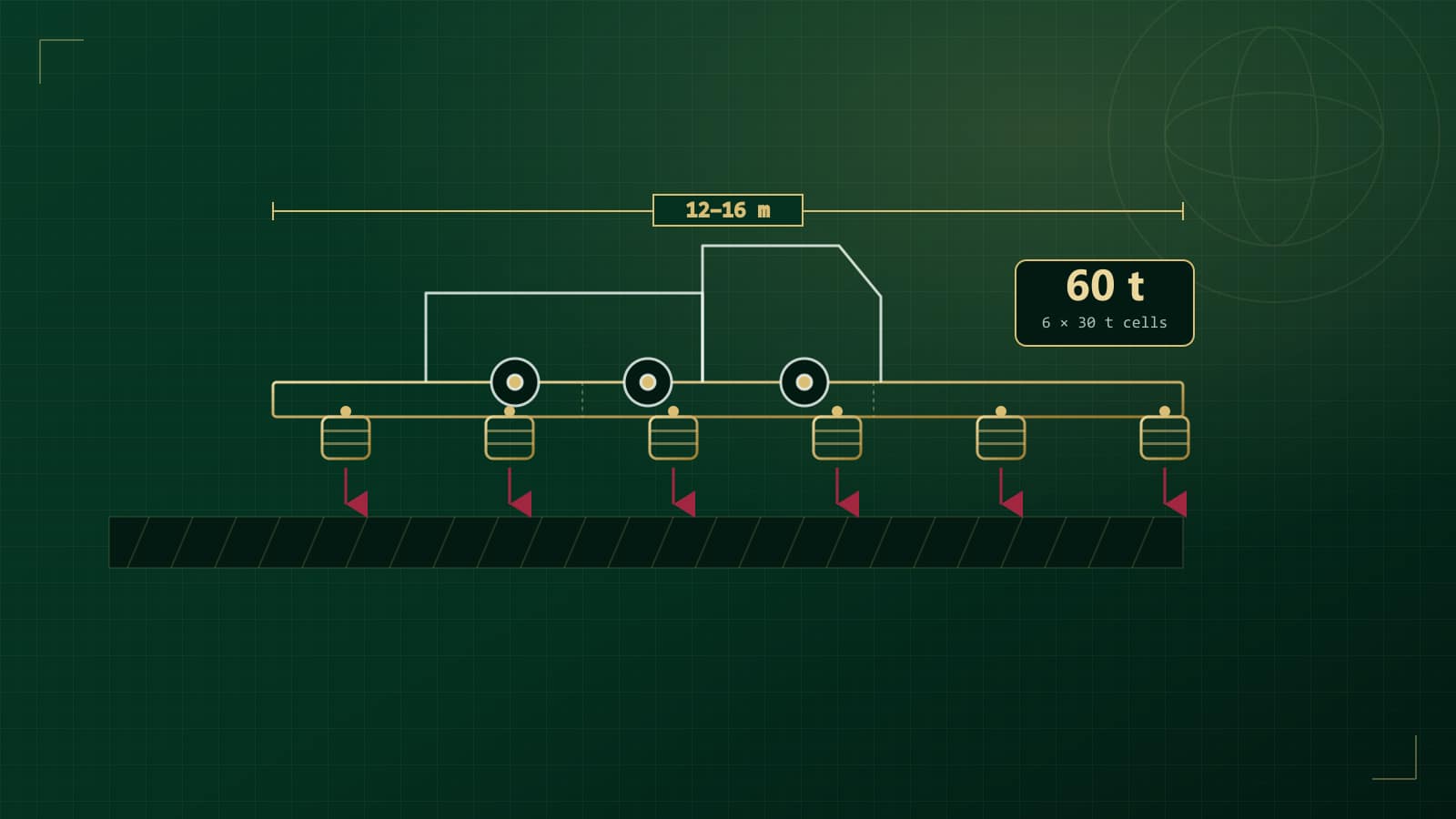
- A two-module 12–16 m truck scale uses 6 cells.
- A three-module 18–24 m deck uses 8 cells.
So when someone says "I need a 60-tonne weighbridge," the first thing we ask back is: how long is the deck? A 60 t scale and an 80 t scale of the same length usually carry the same number of cells — they just use a higher individual rating. Tonnage changes the cell, not the count.
2. What capacity should each cell be?
Now the tonnage earns its keep. Take the maximum platform capacity, divide it by the number of cells to get the static share each one carries, then step up to the next standard cell rating so there's room for impact and uneven loading. As a working rule, that lands you at roughly 2.5–3× the static share.
60-tonne, 6-cell pitless scale: 60 ÷ 6 = 10 t static per cell → fit 30 t cells. The headroom soaks up the shock of a truck braking or shifting weight on the deck.
That's why a 60 t scale ends up on 30 t cells, not 10 t ones. On paper it looks like overkill. In the field it's the difference between a scale that holds zero for years and one that starts creeping after a single overloaded tipper.
3. The safety factor, and why it matters
A truck never settles gently onto a weighbridge. It rolls on, brakes, and throws its weight between axles. Those dynamic loads can briefly put far more than the static share on one cell. Sizing with headroom keeps every cell comfortably inside its safe overload band (150% of rating) and well clear of ultimate overload (300%), where the damage becomes permanent.
Shave the headroom to save a few thousand rupees up front and you'll pay it back with interest — in cells that fatigue early and a scale that wants recalibrating every few months. The cheapest weighbridge is the one you size correctly the first time.
4. Three sizing mistakes that quietly cost money
Sizing to the licence figure, not the real traffic
If your site regularly sees overloaded trucks — and most do — size for what actually crosses the deck, not the number on the registration paper. The cells don't read the licence.
Forgetting the cable run
Long pitless installations need longer cable, sometimes armored. Spec it at the sizing stage. Retrofitting cable later usually means re-opening the foundation, and that's a bad day for everyone.
Mixing cell ratings on one scale
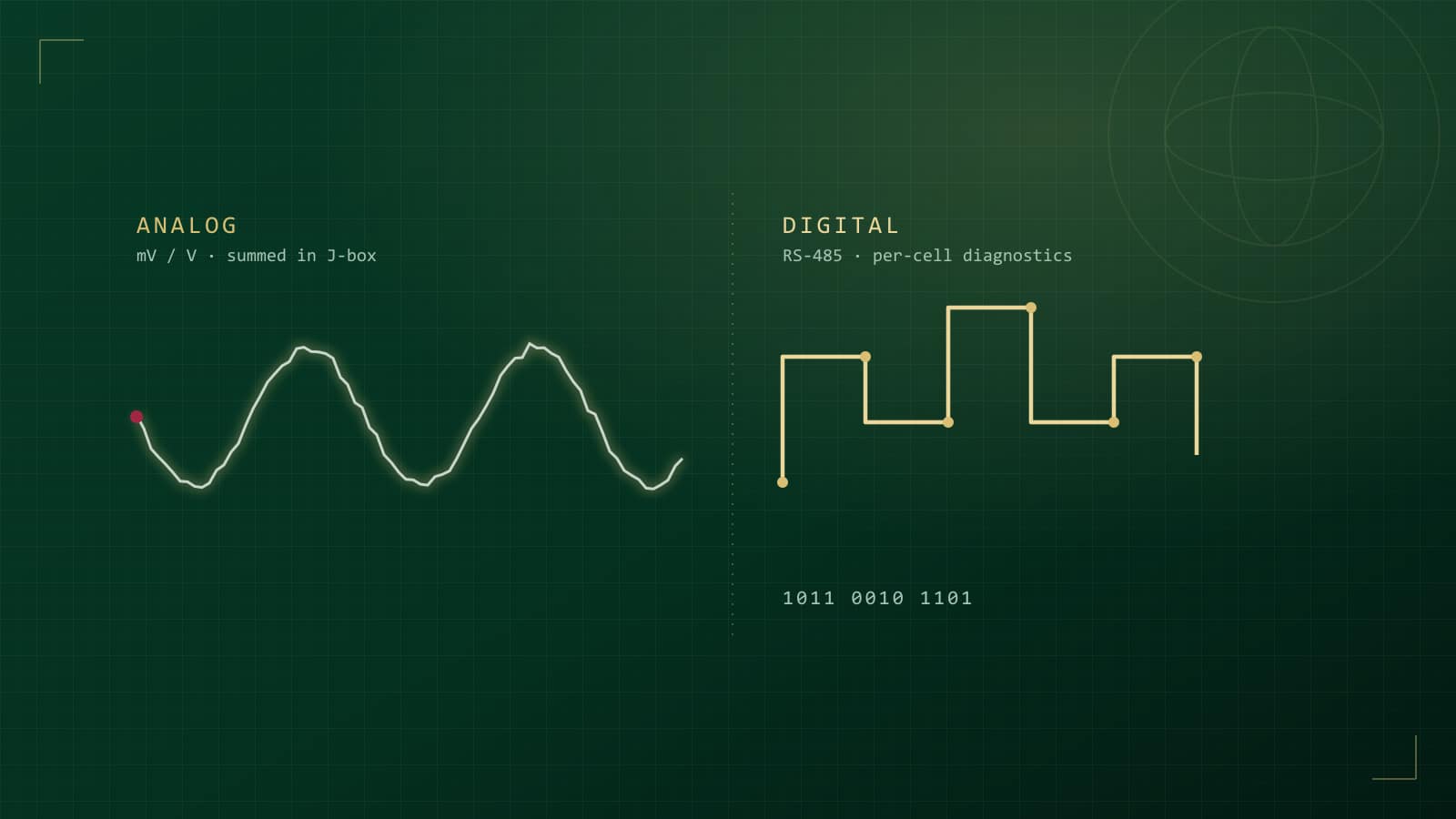
Every cell on a weighbridge should be the same rating. Mix them and calibration turns unstable and fault-finding becomes guesswork — you lose the one thing digital cells are supposed to give you.
5. Quick reference table
A sensible starting point — not a substitute for a site survey. For unusual axle layouts or heavy dynamic loads, talk to our sizing engineer.
| 30 t · 6–9 m | 4 × 20 t cells |
| 60 t · 12–16 m | 6 × 30 t cells |
| 80 t · 16–18 m | 6 × 40 t cells |
| 100 t · 18–24 m | 8 × 50 t cells |
Send us your deck dimensions and the heaviest vehicle you weigh, and we'll come back with a cell count, capacity, cable length and an OIML R60 calibration plan — in one document, within 24 hours.