


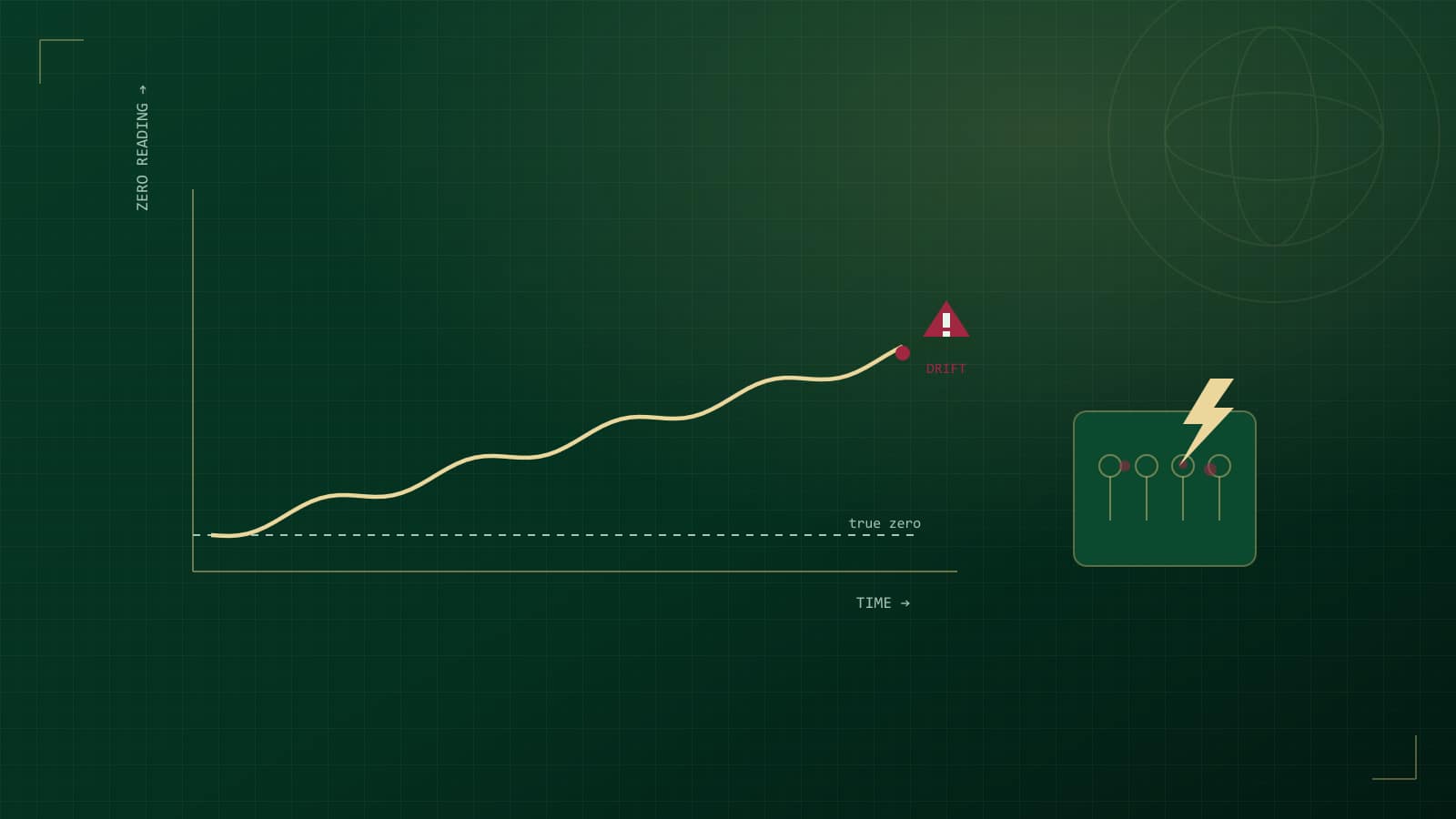
A weighbridge rarely fails all at once. It drifts. The zero creeps up a few kilos, then a few more, and for weeks nobody notices because every truck is a little heavy or a little light and who's to say. Then a big customer re-weighs a load somewhere else, the numbers don't match, and suddenly every reading you've sent for a month is in question.
The good news: drift is almost always preventable, and the causes are boringly predictable. Here's what actually moves a scale off true — and the five-minute checks that catch it long before it embarrasses you.
What drift really is
Drift is when the scale's reading slowly wanders away from the true weight — most visibly as a zero that won't sit still. An empty deck should read zero; if it reads +40 kg one week and +90 kg the next, every weight you record carries that error on top. It's not dramatic. That's exactly why it's dangerous — it hides inside normal variation until it's large.
The usual culprits
- Moisture in the junction box. The number one cause, by a distance. A J-box that isn't properly sealed and potted lets in humidity and rain; the damp shifts the electrical balance between cells and the zero wanders. Monsoon is its favourite season.
- Corroded connections and cable. Where moisture goes, corrosion follows. A green, crusty terminal changes resistance, and resistance is what the whole measurement depends on.
- Lightning and power surges. A nearby strike can degrade a cell or board without destroying it outright — the scale survives but never reads quite the same again. Proper earthing and surge protection matter more than people think.
- Debris and binding in the pit. Stones, caked mud or water under the deck can physically prop the platform, so it doesn't rest fully on the cells. The cells are fine; the load just isn't reaching them.
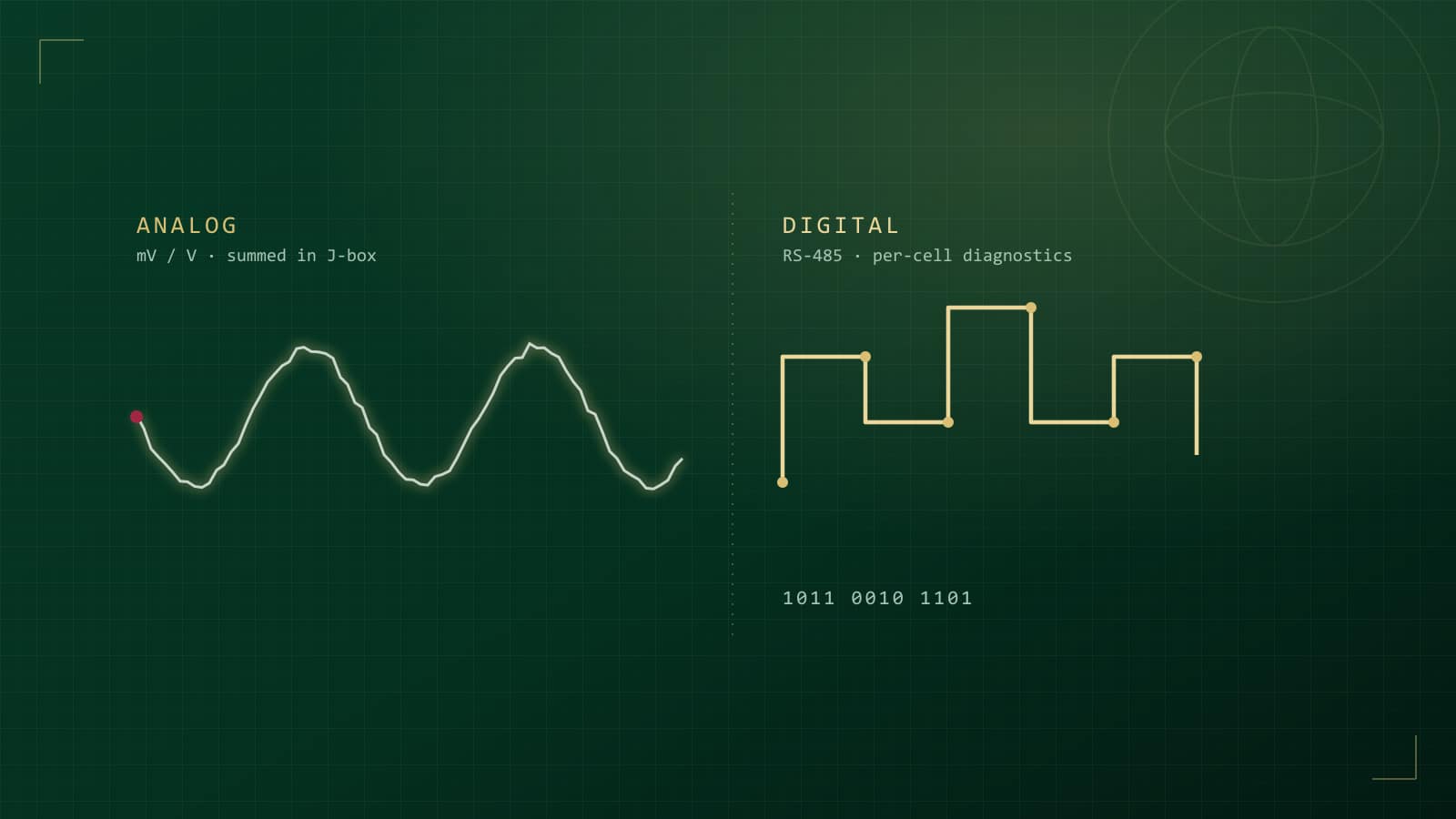
- A genuinely failing cell. Real, but far rarer than the four above — which is why per-cell digital diagnostics are worth so much when you do have a long deck.
Five field checks that catch it early
None of these need a technician. Any trained operator can run them, and together they catch the vast majority of problems while they're still cheap to fix.
| 1 · Daily zero | Empty deck reads zero — note it if it does not |
| 2 · Weekly known load | Run a fixed known weight; log the reading |
| 3 · Junction box | Open it: bone dry inside, no green on terminals |
| 4 · Pit & deck | Clear of water, mud and stones; deck floats free |
| 5 · Earthing | Surge protection and earth intact, especially pre-monsoon |
Write the zero and the known-load reading in a register. The register is the magic: a number that's wandering is obvious in a column long before it's obvious in your head.
When to call for help
If the zero won't settle after you've dried the J-box and cleared the pit, or the known-load reading is off by more than a tolerance you're comfortable with, stop sending trade weights and call your service team. Chasing drift yourself past that point usually just delays a recalibration — and risks your verification status.
We run preventive-maintenance contracts that turn all of this into someone else's job, with the register kept for you. Ask about a maintenance plan for your scale.