


This is the question that decides a third of a weighbridge's price, and it's usually answered with a slogan — "digital is better." Digital is newer. Whether it's better depends entirely on your site, and a good supplier should be willing to talk you out of the expensive option when it won't earn its keep.
How the two actually differ
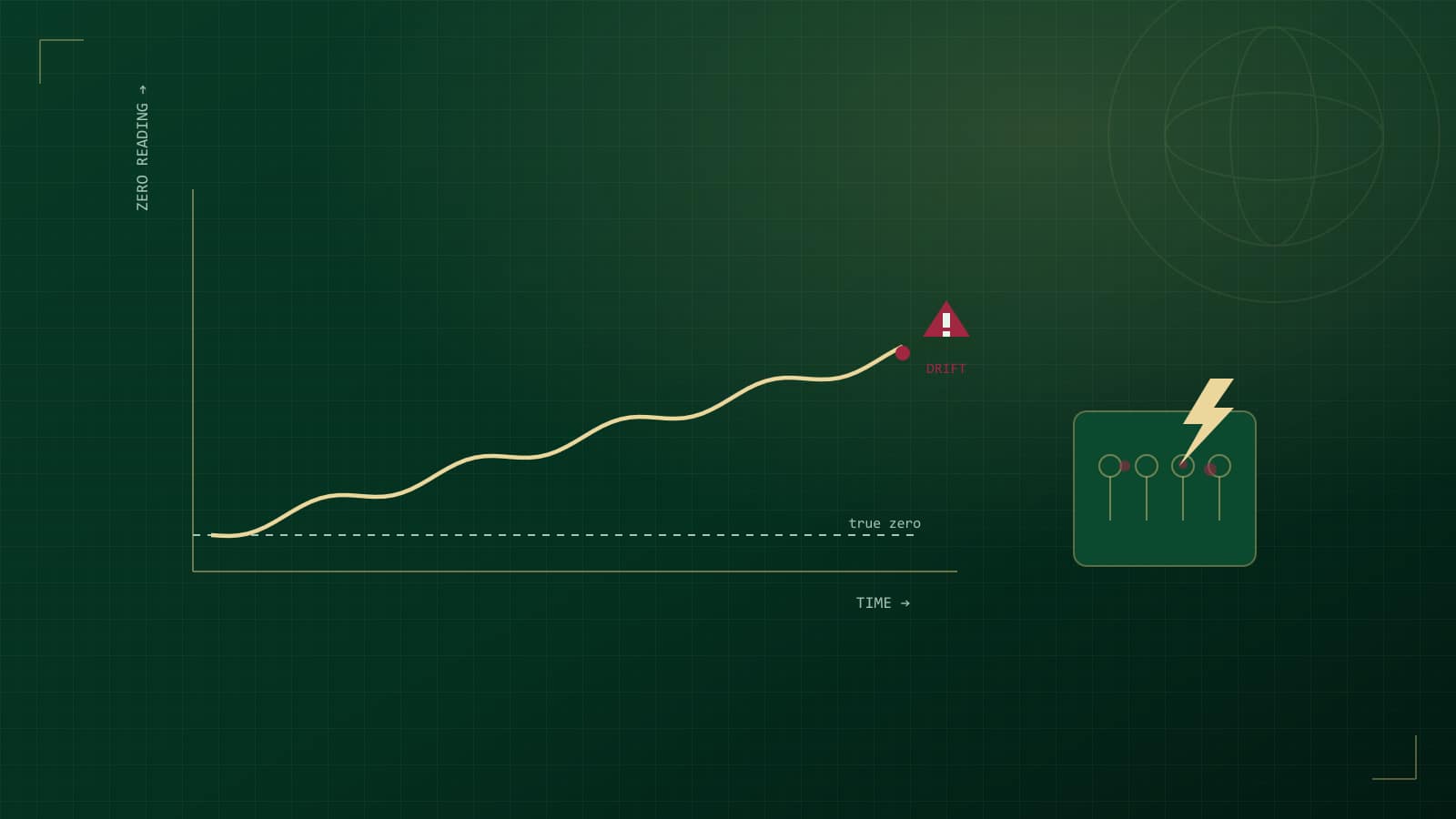
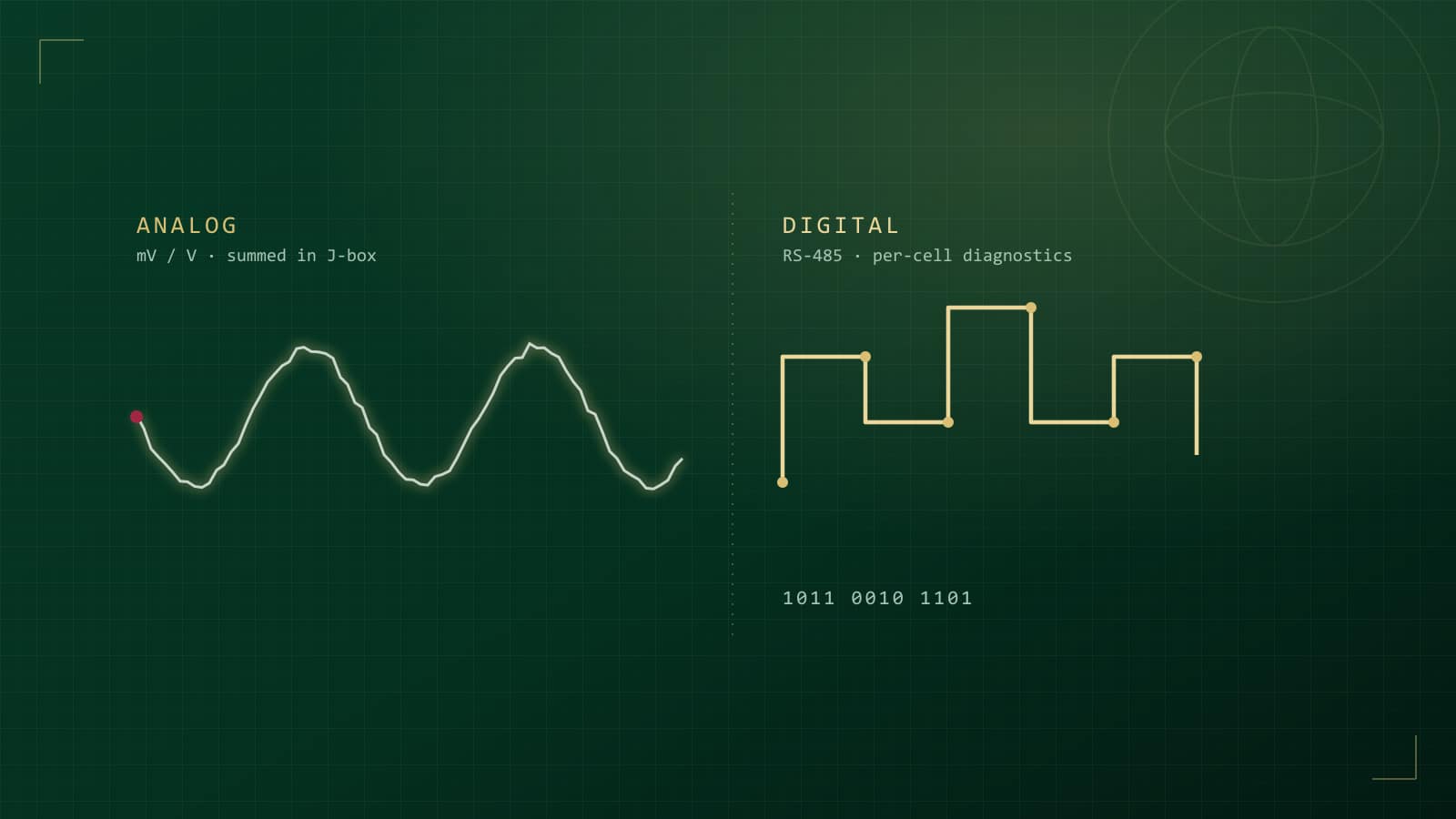
An analog load cell sends a tiny millivolt signal down the cable to a junction box, where the signals from all the cells are summed and carried to the indicator as one number. It's simple, proven, and cheap to keep running. The catch: if one cell drifts or a connection corrodes, the indicator only sees the total. You know something is wrong; you don't know which corner.
A digital cell does the conversion inside the cell itself and reports its own reading over a data line (typically RS-485). The indicator talks to each cell individually — so it can tell you cell number four is reading high, and it can correct for small differences in software instead of with shims and trim resistors.
What the digital premium buys you
You're paying 30–40% more, and you're buying three things:
- Diagnostics. When a cell fails, the system names it. A two-hour fault-finding crawl becomes a five-minute swap.
- Faster, more stable calibration. Corner adjustment is done digitally, which holds better over time and shortens the verification visit.
- Tamper evidence. Per-cell data makes the classic frauds — a propped corner, a shorted cell — far easier to catch.
On a long multi-module deck, where a single fault can idle a busy gate for half a day, that diagnostic alone can pay for the upgrade in one incident.
When analog is still the right call
Plenty of working weighbridges have no business going digital. If your deck is a short single module, your traffic is steady, and your junction box is a sealed, properly potted unit, a well-installed analog scale will weigh just as accurately for less money — and its spares are cheaper and available everywhere.
Analog also shrugs off some things digital doesn't love: extreme electrical noise, and the kind of remote site where getting a technician out for a firmware quirk is a genuine problem. Simple fails gracefully.
A simple way to decide
Ask three questions. Is the deck long or multi-module? Do weight disputes or downtime cost you real money? Is the environment electrically or chemically harsh? Two or more "yes" answers point to digital. Mostly "no" and a clean site points to analog.
| Short, single-module deck | Analog usually wins |
| Long / multi-module deck | Digital usually wins |
| Frequent weight disputes | Digital (per-cell evidence) |
| Harsh or noisy environment | Depends — talk it through |
Still on the fence? Tell us your deck length and what your downtime costs per hour, and we'll give you a straight recommendation — including the one where you keep your money. See the load cell range or ask an engineer.