


Nobody buys a weighbridge for the joy of Legal Metrology paperwork. But a stamped, verified scale is the difference between a reading that holds up in a contract dispute and one that's just your word against the transporter's. The rules sound bureaucratic until the day you actually need them to be on your side.
Here's the whole thing in plain language. We've sat through enough verification visits across Rajasthan to know exactly where they go smoothly and where they stall.
What stamping actually certifies
The Legal Metrology Act exists to protect both sides of a weighed transaction. When an inspector stamps your weighbridge, they are certifying one specific thing: on the day of verification, this scale weighed within the error limits for its accuracy class.
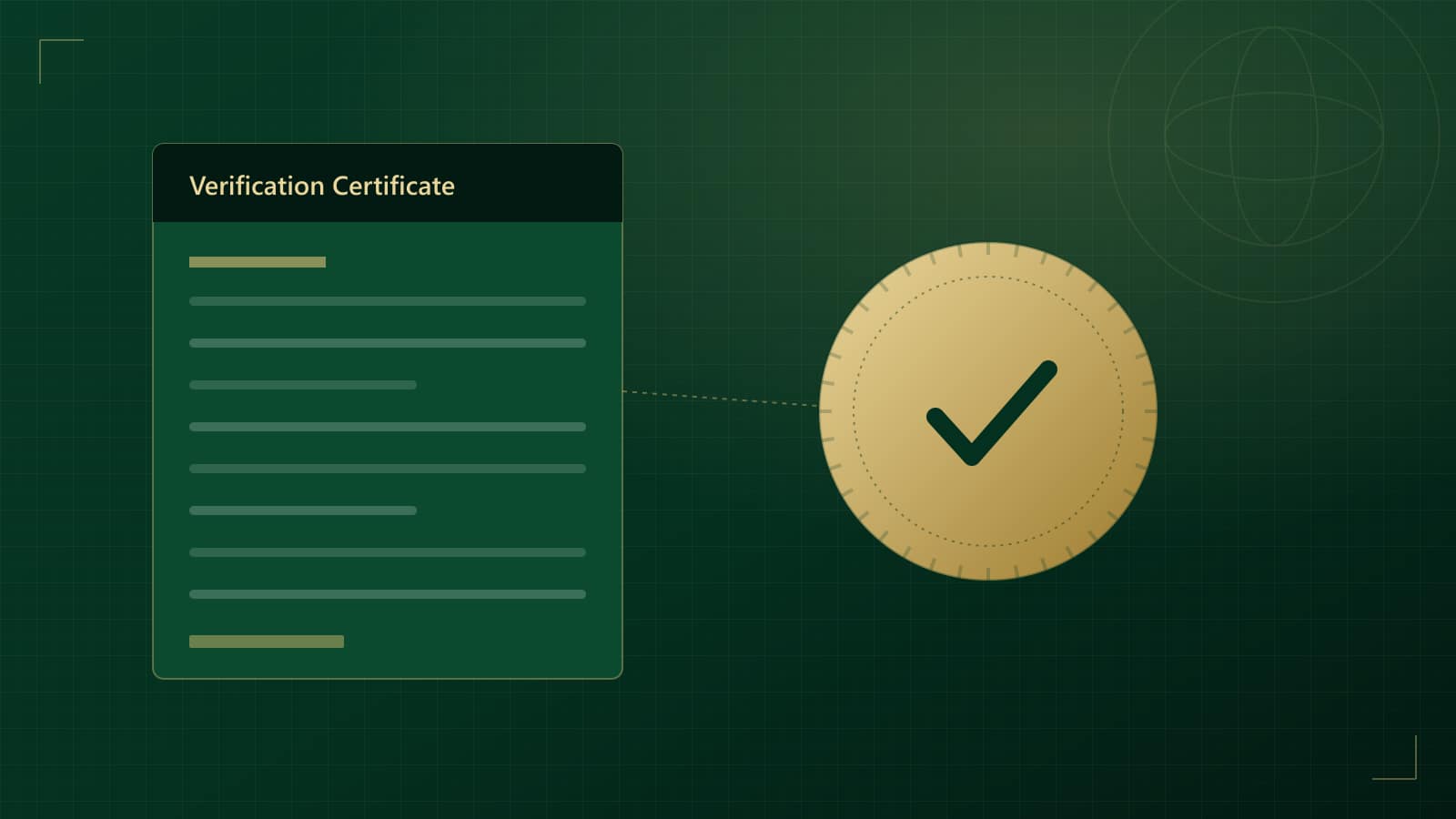
Two ideas sit behind that stamp. Model approval means the design of the indicator and cells has been type-tested and approved nationally — you can't legally put just any electronics under a trade scale. Verification means your specific installed scale was checked against certified test weights and found within tolerance. You need both: an approved model, correctly installed and then verified.
Who needs it, and how often
If money, tax, or a contractual quantity changes hands based on the weight, the scale is a "trade" instrument and must be verified. That covers almost every commercial weighbridge — mandis, factories, transport yards, mines, cement and steel plants.
- Before first use: initial verification and stamping after installation.
- Every year: periodic re-verification. Don't let the stamp lapse — operating an unverified trade scale is an offence, not a formality.
- After any major repair that affects weighing — a cell replacement, a board swap, a shift of the platform — you re-verify.
A purely internal scale that never touches a transaction has lighter obligations, but the moment a reading leaves your gate on a slip, treat it as trade.
The paperwork to keep ready
Verification day stalls more often over missing documents than over a scale that's out of tolerance. Keep a single file — physical and scanned — with:
| Model approval certificate | For the indicator + load cell make/model |
| Previous verification certificate | And the stamping paper / sticker |
| Calibration & service records | Dates, what was done, by whom |
| Dealer / manufacturer details | Invoice, installation report, cell ratings |
If you bought from us, every one of these came in your handover folder — and we keep a copy, so a lost certificate is a phone call, not a crisis.
How to sail through verification day
The scales that pass cleanly are the ones that were already weighing right the week before — not the ones cleaned up the night before. A few habits make the visit a formality:
- Run a known load across the deck a few days ahead. If a full truck of known weight reads off, you have time to fix it.
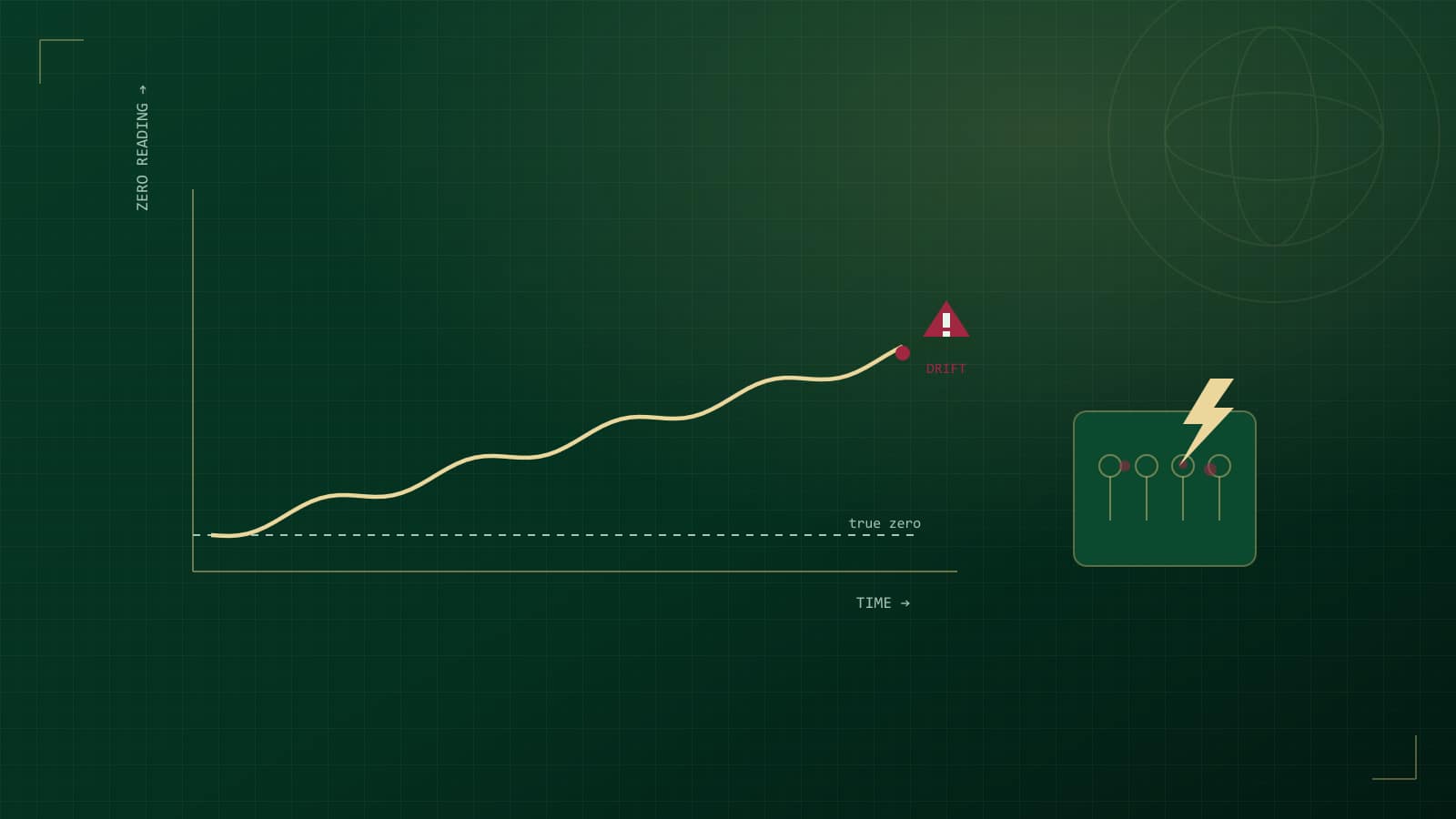
- Check the pit and junction box for water and corrosion — the most common quiet cause of a failed check.
- Have the file ready and the area around the deck clear for the inspector's test weights.
We offer pre-verification health checks and can stand with you on the day. If your stamp is due or you're not sure where your paperwork is, send us your scale's details and we'll tell you exactly what you need.